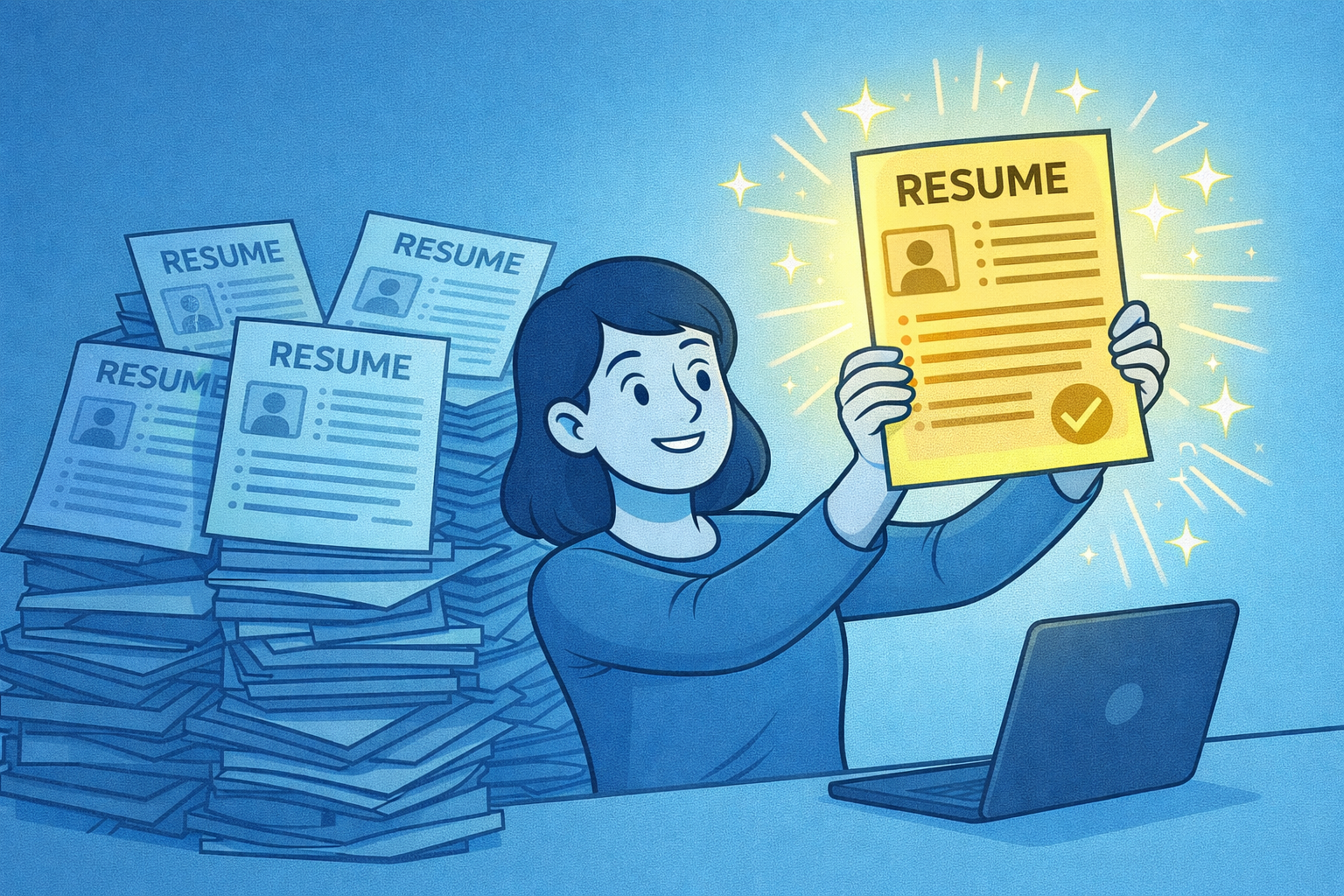

You’ve been out of the traditional workforce. Maybe it’s been a year. Maybe it’s been five. And now you’re ready to jump back in—but on your terms. Remote work as a stay-at-home mom isn’t just possible, it’s increasingly common. The challenge? Convincing employers that your resume still matters after the gap.
Here’s what you need to know.
The Stay at Home Mom Resume Problem
The biggest misconception about re-entering the workforce as a stay-at-home mom is that your time away “counts against you.” It doesn’t. But recruiters don’t know what you’ve been doing, so you have to tell them.
Think about it from their perspective. They search their ATS for “Project Manager + 3 years experience” and your resume says you left your job five years ago. You don’t show up in their results. Not because you’re unqualified, but because you’re invisible.
The solution isn’t to hide your gap. It’s to reframe it.
How to Frame Your Stay at Home Years on Your Resume
Start by being honest about what you’ve been doing. If you managed a household, coordinated schedules for multiple people, handled budgets, managed projects, you did actual work. That matters.
Create a section on your resume called “Career Break” or “Freelance/Project Work” and list what you actually did during that time. If you managed family finances, that’s budget management. If you coordinated kids’ activities and appointments, that’s project coordination and organizational skills. If you did any volunteer work, tutoring, or community involvement, include it.
The key is showing continuity. Recruiters want to see that you’ve been doing something, not sitting idle. And honestly, running a household requires the same skills as running a project.
After that, list your previous professional experience with all the impact metrics and accomplishments you had. Don’t downplay it just because time has passed. That experience is still relevant.
The Title Match Challenge
Here’s something most people don’t realize: your job title matters more than your job description when it comes to getting seen by recruiters.
If you were a “Social Media Coordinator” five years ago but you’re applying for a “Social Media Manager” role now, update your title to reflect what you’re actually capable of doing. You’ve grown. You’ve managed more. Use the title that matches the role you’re targeting.
This alone can increase your chances of showing up in recruiter searches by 10x. Not because you’re lying, but because you’re helping recruiters find you when they search.
The Resume Tailoring Grind (And How to Actually Survive It)
Here’s where it gets exhausting. You find a job posting that looks perfect. You spend 45 minutes reading through the job description, copying relevant keywords, restructuring your resume to match their criteria, formatting everything so it looks right. Then you apply.
By the time you’ve done this for five jobs, you’re drained. By ten jobs, you’re questioning why you even came back to work. And if you’ve got kids at home demanding your attention? Forget it. You’re burnt out before you’ve even gotten one interview.
Most stay-at-home moms don’t have time to spend an hour tailoring each resume. You’ve got school pickups, family obligations, and a limited window of focus time. The traditional advice of “tailor every resume perfectly” doesn’t work for you because you literally don’t have that kind of time.
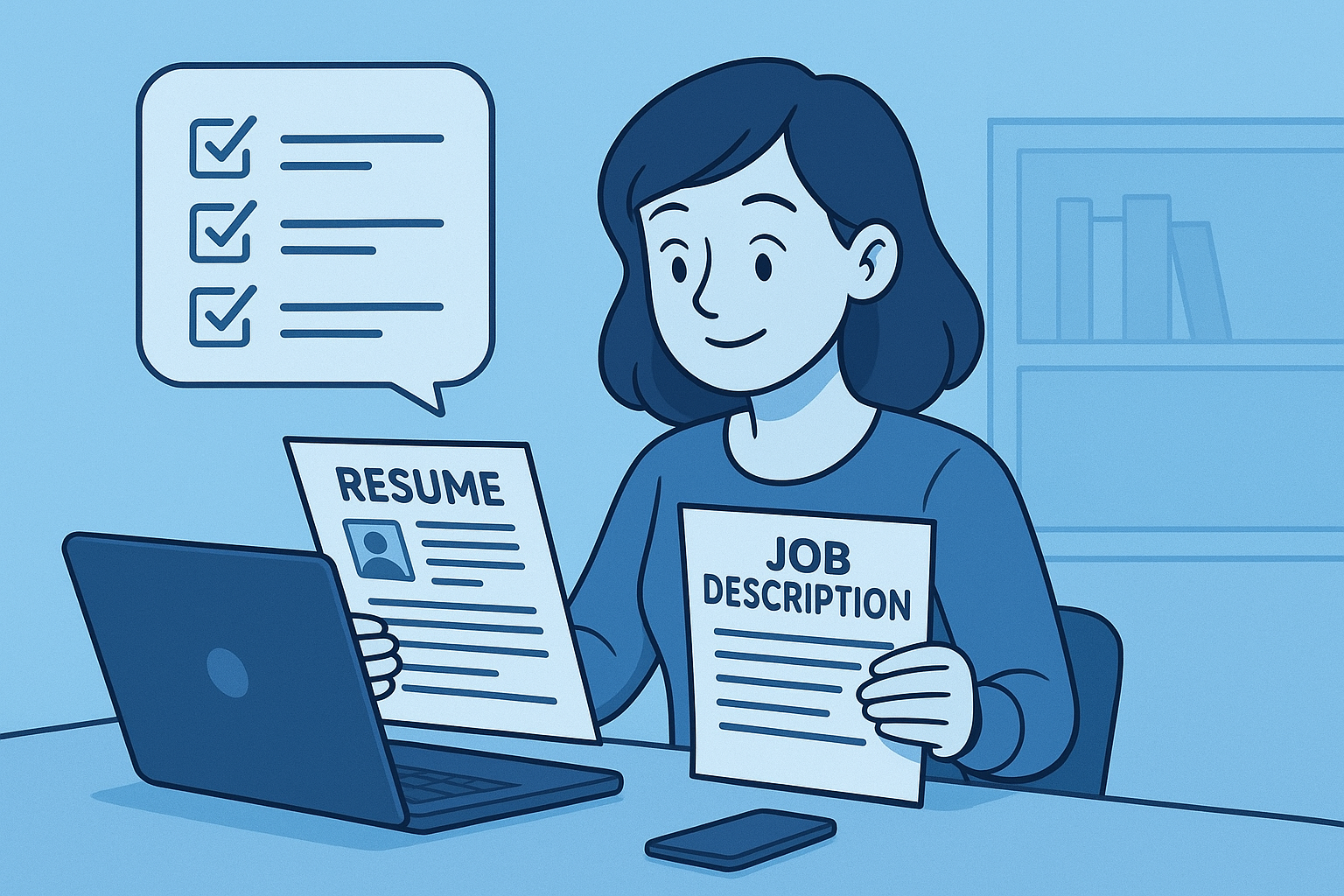
This is where tools like CVnomist come in. Instead of spending 45 minutes manually tailoring your resume to each job posting, you upload your master resume and the job posting. The tool pulls the relevant keywords from the job description and reorganizes your resume to match in about 90 seconds. Not generic AI-generated content. Just your actual experience, reordered to match what they’re looking for.
You go from spending an hour per application to five minutes. That means you can actually apply to 10-15 jobs per week instead of two or three. And for stay-at-home moms working around family schedules, that’s the difference between a manageable process and burnout.
Best Remote Jobs for Stay at Home Moms
The jobs that work best for moms getting back into the workforce are usually the ones that offer flexibility and don’t require heavy in-office presence. Here are the most common ones:
- Project Coordinator/Manager – Most of this work is remote now. You manage timelines, coordinate with teams, handle deliverables. Your experience running a household translates directly.
- Social Media Manager – Companies need people to manage their social accounts. You already know how to reach audiences and communicate effectively. The tools are easy to learn.
- Customer Support/Success Manager – These roles are almost always remote and often hire people returning to work. You’re already managing difficult situations and problem-solving daily.
- Administrative Assistant – Remote admin work is increasingly available. Calendar management, scheduling, document organization—skills you already have.
- Virtual Assistant – Perfect for people re-entering the workforce. Flexible hours, varied tasks, and many VA roles are project-based so you can scale your time.
- Content Writer/Editor – If you can write, companies need content. Remote, flexible, and often contract-based so you can start small.
- Data Entry/CRM Manager – Straightforward work that doesn’t require years of recent experience. Many companies train people specifically for this role.
The Numbers Game is Real
Here’s something people don’t talk about when they’re advising stay-at-home moms on job searching: volume matters way more than perfection.
One perfectly tailored resume that goes out once a week is less effective than five decent resumes that go out every day. Recruiters are searching for specific criteria. If you’re not applying regularly to roles that match your target title, they won’t find you.
This is why most job search advice fails for stay-at-home moms. The advice assumes you have unlimited time to hand-craft each application. You don’t. You need a system that works within your actual life.
Apply to 15 jobs per week. Tailor your resume (use a tool if you need to). Pick one target title and stick with it. Include a summary section that shows impact in the first sentence. Then move on to the next application instead of obsessing over whether this one is perfect.
The math is simple: more applications plus consistent targeting equals more interviews.
Addressing the Employment Gap
Recruiters will notice the gap. Some will ask about it. Here’s how to address it:
In your cover letter or application summary, briefly explain what you were doing. Keep it matter-of-fact. “Took time off to focus on family and household management. Now seeking to return to the workforce in a remote capacity where I can leverage my background in [your field].”
That’s it. Don’t over-explain. Don’t apologize. Most hiring managers have gaps in their own careers or know people who do. It’s becoming normalized.
What matters more is showing that you’re committed to this role and that you’ve stayed current in your field. If you spent your time away reading industry blogs, taking online courses, or doing volunteer work in your field, mention that. It shows you didn’t just disappear—you stayed engaged.
Your Remote Work Advantage
Here’s something to remember: as a stay-at-home mom re-entering the workforce, you actually have advantages that traditional candidates don’t have.
You know how to manage competing priorities. You’ve had to juggle multiple people’s needs and actually get things done. That’s project management in real life.
You understand communication and collaboration. You’ve coordinated with teachers, doctors, other parents, family members. You know how to get people aligned.
You’re organized. You’ve managed schedules, budgets, timelines for an entire household. Most companies would kill for that level of organizational skill.
The gap isn’t a weakness. It’s just something you need to reframe on your resume so recruiters can see your actual value.
The Path Forward
Getting back to work as a stay-at-home mom isn’t about being perfect. It’s about being consistent, strategic, and protecting your time and mental health in the process.
Build your master resume. Pick your target title. Use tools to speed up the tailoring process so you’re not exhausted after two applications. Apply to 15 jobs per week on job boards where real jobs live. Stop obsessing over whether each resume is perfect. Let the volume work for you.
Most rejections aren’t personal. Most of them just mean you didn’t match that specific search that day. Apply to the next one.
You’ve got this. The workforce is ready for you. You just have to show up consistently and help recruiters find you.
FAQ: Stay at Home Mom Resume Questions
How long of an employment gap is too long?
There’s no such thing as “too long.” What matters is how you frame it. A five-year gap is only a problem if you leave it unexplained on your resume. If you address it directly and show what you’ve been doing, recruiters move past it quickly. The worst thing you can do is hide it or act ashamed of it. Be straightforward and move forward.
Should I mention being a stay-at-home mom on my resume?
Not explicitly. Your resume should speak to skills and experience, not personal circumstances. But you can create a section called “Career Break” or “Personal Projects” that shows what you actually accomplished during your time away. That’s enough context without oversharing.
Will employers care that I’ve been out of the workforce?
Some will. Most won’t, especially for remote roles. Remote-first companies are increasingly hiring people with gaps because they care about output, not office presence. If an employer seems bothered by your gap, that’s often a sign they’re not the right fit for you anyway.
How do I explain my employment gap in an interview?
Keep it brief and confident. “I took time to focus on my family. Now I’m ready to bring my skills back to the workforce, and I’m looking for a remote role that works with my schedule.” Don’t over-apologize. Most hiring managers have been there or know people who have.
What if I haven’t used certain software or tools in years?
Learning tools is the easy part. Most professional software has free trials or tutorials. If a job posting requires specific tools and you’re qualified otherwise, apply anyway and mention in your cover letter that you’re familiar with similar tools and can get up to speed quickly. Employers would rather hire someone competent who needs a week to learn their specific software than someone less qualified but already trained.
Should I use a resume template or write from scratch?
Use a template as a starting point, but customize it. Templates are helpful for structure, but your resume needs to reflect your actual experience and voice. The goal is making it easy for recruiters to find you, not making it look like every other templated resume out there.
How do I handle a skills gap if my field has changed a lot?
Take an online course or two in what’s changed (many are free on platforms like Coursera or LinkedIn Learning). Update your resume to reflect your new learning. Then mention in your cover letter that you’ve been staying current with industry changes. This shows commitment and keeps you from looking completely out of touch.
Is it better to apply to a lot of jobs or focus on fewer quality applications?
Apply to more jobs. Quality matters, but volume matters more. Tailor each resume to match the job posting (that’s your quality control), then apply to 15 jobs per week instead of 2-3. More applications to jobs you’re actually qualified for beats fewer “perfect” applications every single time.
How do I know if a remote job is actually remote and not just temporarily remote?
Check the job posting carefully. Look for words like “fully remote,” “work from anywhere,” or “distributed team.” If it just says “remote during COVID” or “remote first year,” ask during the interview process. Some companies shift back to office later. You want to know what you’re signing up for.
What if I only have time to apply to a few jobs per week?
That’s fine. Apply to what you can. But be strategic about which jobs you choose. Focus on roles that match your target title exactly, in your field, with companies that clearly state they hire remote workers. Quality over quantity is better than quantity with bad fits.
Should I mention my kids or family situation on my resume?
No. Your resume is about your professional qualifications. Your personal situation comes up in interviews if it’s relevant, but your resume should focus entirely on skills and experience. Let your work speak for itself.