
How to Make a Resume Stand Out
Most advice about how to make a resume stand out is outdated, misleading, or flat-out wrong.
If you’ve been applying for weeks—or months—and hearing nothing back, it’s probably not because you’re unqualified. It’s because your resume is invisible.
After working directly with two of the largest ATS providers and seeing how recruiters actually search for candidates, one thing became painfully clear:
Resumes don’t fail because they’re bad. They fail because they don’t match how hiring systems work today.
This guide breaks down exactly how to make a resume stand out—not visually, but functionally—so it gets found, opened, and shortlisted.
Why Most Resumes Never Get Seen
ATS Is a Search Engine, Not a Judge
An ATS (Applicant Tracking System) is not an AI scoring your resume.
It doesn’t “like” or “dislike” you.
It works like Google for recruiters.
Recruiters type searches such as:
- Product Manager + Python + Stripe
- Data Analyst + SQL + Tableau
If your resume contains those exact words, you appear.
If it doesn’t, you don’t exist.
That’s the uncomfortable truth behind how to make a resume stand out in modern hiring.
The 0% or 100% ATS Rule
There is no such thing as a “75% ATS-friendly resume.”
Either:
- The system can read your resume → 100% visible
- Or it can’t → 0% visibility
If your resume is an image, overly designed, or improperly formatted, you are invisible before a human ever gets involved.
The Real Definition of “Standing Out”
Visibility Beats Creativity
Standing out does not mean:
- Fancy layouts
- Infographics
- Colors and icons
Standing out means:
- Showing up higher in recruiter search results
- Matching what they are actively looking for
- Making it easy to say “yes”
A resume that gets seen will always beat a beautiful resume that doesn’t.
The #1 Factor Recruiters Search First: Title Match
Why Title Match Increases Interviews 10x
Internal ATS studies show that matching the exact job title increases interview rates by over 10 times.
If the job title is:
Senior Technical Project Manager
And your resume says:
Project Coordinator
You may never appear in the search results—even if you’re qualified.
Fix:
Add a target title at the top of your resume that mirrors the job posting exactly (as long as it’s truthful).
This single change is one of the most effective ways to make a resume stand out.
Keywords: The Currency of Modern Job Hunting
Exact Language vs “Close Enough”
ATS systems don’t understand synonyms.
- “Data visualization” ≠ “data storytelling”
- “Cross-team collaboration” ≠ “stakeholder communication”
If the job description uses a term, you must use the same term.
Where Keywords Actually Belong
To make a resume stand out, keywords must appear in three critical sections:
- Headline & Summary
Mirror the job title and core skills. - Skills Section (Most Important)
- 15–30 hard skills
- Comma or pipe separated
- No soft skills
- Experience Section
Use keywords naturally inside achievements—not stuffed.
The Resume Structure That Stops Recruiters From Scrolling
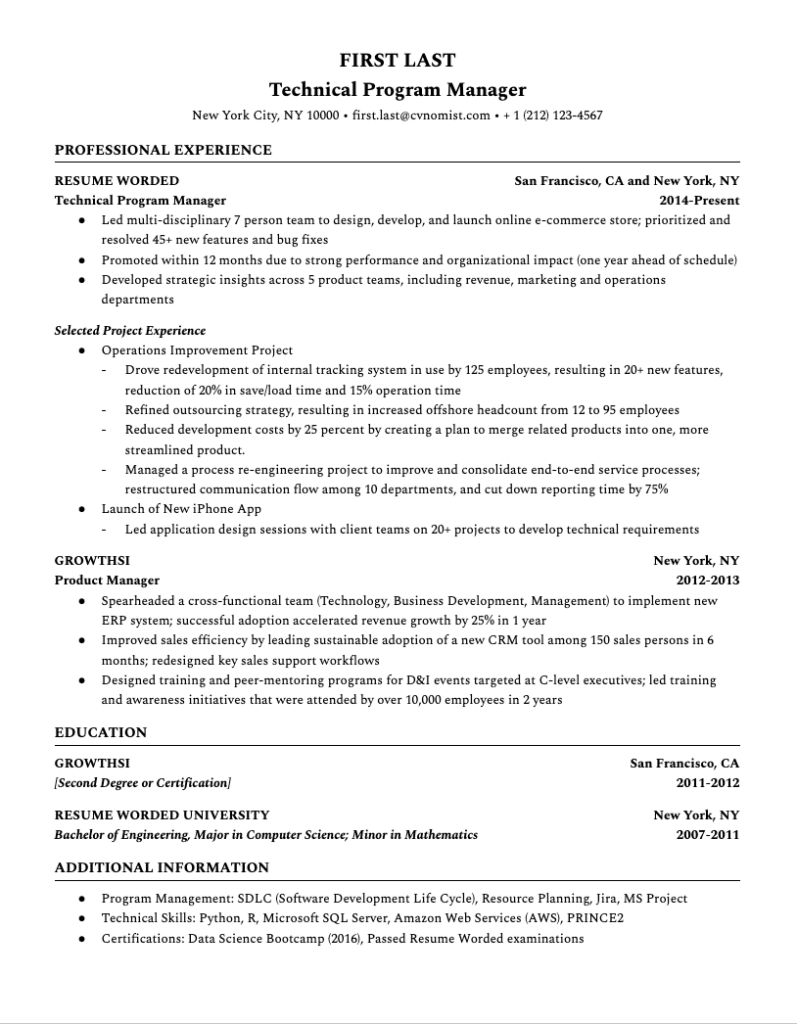
A strong structure helps both ATS systems and humans.
What Works Best
- Clear headline with target title
- Dense, scannable skills section
- Bullet points focused on outcomes
- Clean formatting, no graphics
This balance is what truly defines how to make a resume stand out today.
Why Generic Resumes Fail Every Time
Sending the same resume to 100 jobs doesn’t save time—it wastes it.
Tailoring Without Burning Out
Manual tailoring can take 30–60 minutes per application. That’s unsustainable.
This is where smart automation matters.
Tools like CVnomist help by:
- Extracting keywords from job descriptions
- Matching them to your real experience
- Updating titles and skills in minutes
Used correctly, CVnomist doesn’t replace your voice—it amplifies alignment, which is exactly what ATS systems reward.
The Numbers Game Most Candidates Ignore
Job searching is math, not magic.
If:
- 1 interview per 100 applications
- 10 interviews per offer
You need ~1,000 well-targeted applications.
Improving your resume targeting from 1% to 2% literally cuts the workload in half.
That mindset shift is often what finally makes a resume stand out at scale.
Using AI the Right Way (Without Sounding Fake)
AI should:
- Speed up keyword matching
- Reduce burnout
- Increase consistency
It should not:
- Invent achievements
- Write robotic summaries
- Replace human judgment
Used properly, tools like CVnomist help you apply faster without sacrificing credibility.
Common Resume Myths That Kill Your Chances
- ❌ ATS scores your resume
- ❌ Design matters more than content
- ❌ One perfect resume fits all jobs
- ❌ Cover letters save bad resumes
None of these are true.
Frequently Asked Question
1. How do you make a resume stand out to recruiters?
By matching the exact job title and keywords recruiters search for in their ATS.
2. Do ATS systems reject resumes automatically?
Most rejections happen due to knockout questions or missing criteria, not AI judgment.
3. Should I tailor my resume for every job?
Yes—but efficiently. Tailoring keywords matters more than rewriting everything.
4. How many skills should I list on a resume?
Between 15 and 30 hard, role-specific skills.
5. Does resume design matter at all?
Only if it breaks readability. Clarity always beats creativity.
6. Can tools like CVnomist really help?
Yes—when used to align language and structure, not fabricate content.
Conclusion
Learning how to make a resume stand out isn’t about tricks or hacks.
It’s about understanding how hiring actually works:
- ATS systems search
- Recruiters filter
- Keywords decide visibility
When your resume speaks the system’s language, you stop feeling invisible.
You don’t need luck.
You need alignment.